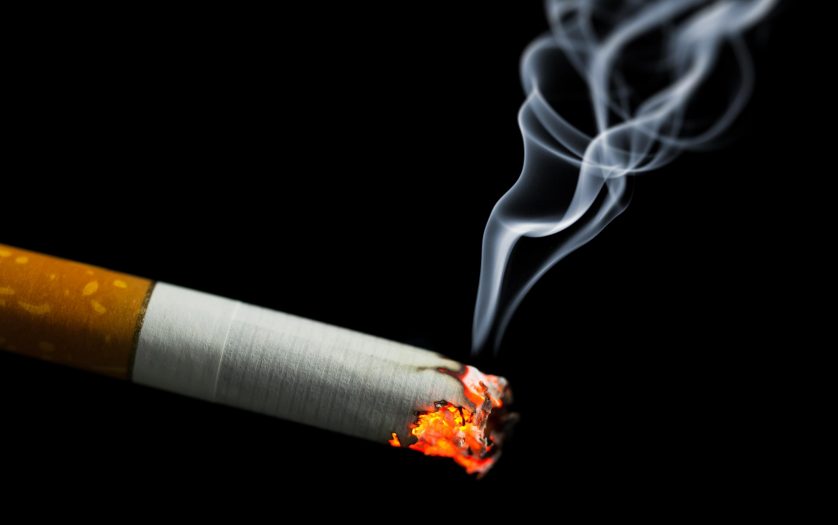
Exposure to secondhand smoke – even at small amounts – is linked with greater risk of a serious heart rhythm disorder, according to research presented at EHRA 2024, a scientific congress of the European Society of Cardiology (ESC).1 The likelihood of atrial fibrillation increased as the duration of passive smoking lengthened.
“The dangers of secondhand smoke were significant regardless of whether individuals were at home, outdoors, or at work, indicating that exposure universally elevates the risk of atrial fibrillation,” said study author Dr. Kyung-Yeon Lee of Seoul National University Hospital, Seoul, Republic of Korea. “We should all make every effort to avoid spending time in smoky environments. The findings should also drive policymakers to further curb smoking in public areas and support smoking cessation programmes to improve public health.”
Atrial fibrillation is the most common heart rhythm disorder worldwide.2 Symptoms include palpitations, shortness of breath, fatigue, and difficulty sleeping. It is estimated that one in three Europeans will develop the condition during their lifetime. People with atrial fibrillation are five times more likely to have a stroke than their healthy peers. 2
It is well established that passive smoking is linked to coronary artery disease and premature death.3-8 However, the links between secondhand smoke and atrial fibrillation have been unclear. This study examined the association between secondhand smoke exposure and the long-term risk of incident atrial fibrillation. The study included adults aged 40 to 69 years who had used the UK National Health Service (NHS) for any reason and were enrolled in the UK Biobank. Current smokers and those with atrial fibrillation at baseline were excluded from the study.
A total of 400,493 adults were included in the analysis. The average age of participants was 56.5 years and 55.2% were women. A touchscreen questionnaire was used to ask participants the number of hours they had been exposed to other people’s smoke in a typical week over the past year at home and in other environments. Participants were categorised into the ‘exposed group’ if they had any contact with secondhand smoke and the ‘non-exposed group’ if they had no contact with secondhand smoke. Some 85,984 (21%) participants had been exposed to secondhand smoke in the previous year, with an average exposure of 2.2 hours per week. During a median follow-up of 12.5 years, atrial fibrillation developed in 23,471 (6%) participants.
The researchers analysed the association between exposure to secondhand smoke and incident atrial fibrillation after adjusting for factors that could potentially affect the relationship, including age, sex, ethnicity, body mass index, daily alcohol consumption, moderate-to-vigorous physical activity, diabetes, high blood pressure, high blood lipids, socioeconomic status, and enrolment centre. The group exposed to secondhand smoke had a 6% higher risk of incident atrial fibrillation during follow-up compared with the non-exposed group after adjusting for the previously mentioned factors (hazard ratio 1.06, 95% confidence interval 1.03–1.10, p <0.001).
A dose-dependent relationship was observed, whereby each increase in the duration of weekly passive smoking was linked with an even greater risk of atrial fibrillation. For example, 7.8 hours of passive smoking per week was associated with an 11% higher likelihood of the heart rhythm disorder compared with no passive smoking. The risk of atrial fibrillation for passive smokers was raised in homes, workplaces, and outside spaces.
Dr. Lee said: “According to our study, once exposed to secondhand smoke, the likelihood of developing atrial fibrillation begins to increase, with the risk escalating significantly as the exposure time lengthens. The finding that passive smoking is harmful not only in enclosed indoor spaces but also outdoor environments underscores the importance of smoking bans to protect public health.”