Minister for Families and Communities and Minister for Disability Services Natasha Maclaren-Jones said persons with disabilities can be more vulnerable to the harmful effects of COVID-19.
“Protecting people with disability is vital as they can be at greater risk of developing serious illness if they become infected,” Mrs Maclaren-Jones said.
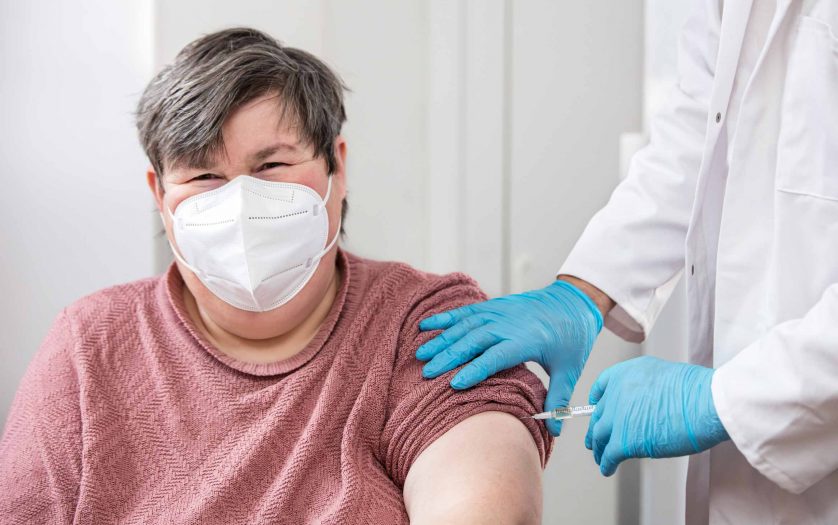
“Vaccination is readily available at GPs and pharmacies and we are urging everyone to book in without delay.”
COVID-19 booster doses are recommended for anyone 16 years and older who had their last dose of a primary course at least three months ago.
The COVID-19 vaccine can be taken at the same time as the influenza vaccine, which people with disability are also being urged to take.
While the free flu vaccination program in NSW ends on 17 July 2022, those considered to be at higher risk of severe illness from influenza remain eligible for a FREE flu vaccine beyond this date, under the National Immunisation program. This includes:
- Aboriginal and Torres Strait Islander people from six months of age
- Children from six months to under five years of age
- People with serious health conditions (including severe asthma, diabetes, cancer, immune disorders, obesity, kidney, heart, lung or liver disease)
- Pregnant women
- People aged 65 and over.
The NSW Government is also providing up to 7.9 million rapid antigen tests (RATs) to people with disability and other vulnerable community members with the program recently expanded to 31 October 2022.
To find your nearest vaccination clinic, visit nsw.gov.au.