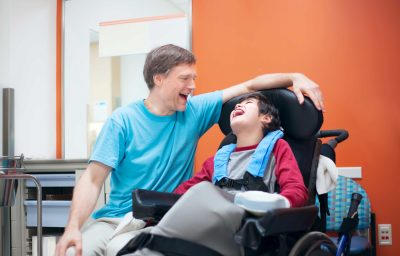
Communication is a two-way street – one of both sending and receiving. At the heart of good communication is the ability to listen. When listening well, we develop empathy and insight – we learn something new.
At UNDRR, when we listen to persons with disabilities talk about their experiences, fears, concerns, and hopes, we always learn something new. We learn how to better ensure that the work we’re doing, the groundwork we’re laying, meets their needs. We learn more about the all-of-society approach we seek to implement.
What we don’t want to do is tick boxes. We want to make sure that when we engage with persons with disabilities, they are heard, understood and that we follow up with action.
The COVID 19 global pandemic has highlighted the cascading impacts of risk in a dramatic way, revealing to us our fragile interconnection. But we already knew about the interconnected nature of risk before that. We know that vulnerability to one risk, means vulnerability to others. And we know that some groups are particularly vulnerable to risk across the board. This makes their voices all the more important.
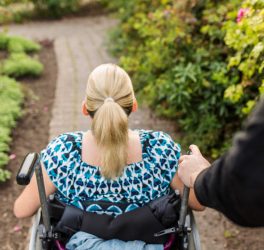
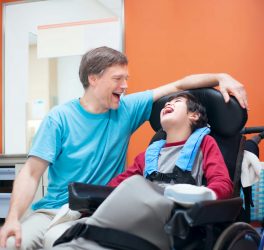
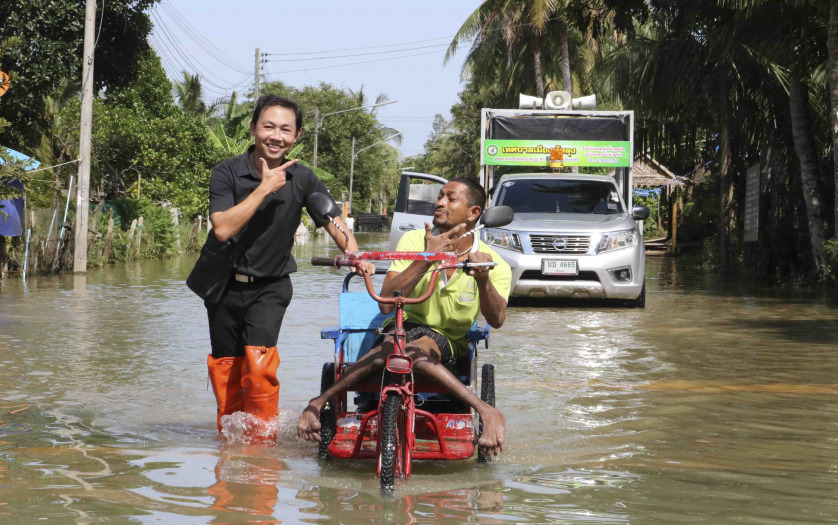
The impacts of climate change – from rapid onset disasters such as typhoons and wildfires, to more gradual changes such as droughts, temperature increase, and sea level rise – have disproportionate effects on the lives, well-being, and livelihoods of persons with disabilities. Due to inaccessible disaster preparedness plans, systemic discrimination, and widespread poverty, persons with disabilities are often left behind in planning, response and reconstruction efforts. The failure to include their voices has dramatic consequences. The right interventions can truly be a matter of death for persons with disabilities – more so than for the average person.
UNDRR advocates for full inclusion of persons with disabilities and their leaders in developing and implementing national and local disaster risk reduction strategies. The Sendai Framework for Disaster Risk Reduction – our guiding document adopted by Member States in 2015 – repeatedly mentions their involvement. While much has been achieved, much more still needs to be done.
UNDRR looks forward to engaging with Member States and other stakeholders to achieve this common goal. We hope to continue the conversation with multiple people in multiple sectors, including health, environment, disaster, homeland security and social inclusion. We want to ensure everyone’s efforts are mutually supportive and reinforcing. More listening and clearer communication will mean better results for everyone.
By Mami Mizutori, Special Representative of the Secretary-General for Disaster Risk Reduction