After conducting the largest study on osteoarthritis in the world, researchers are now on track to develop a medicine that can slow it down.
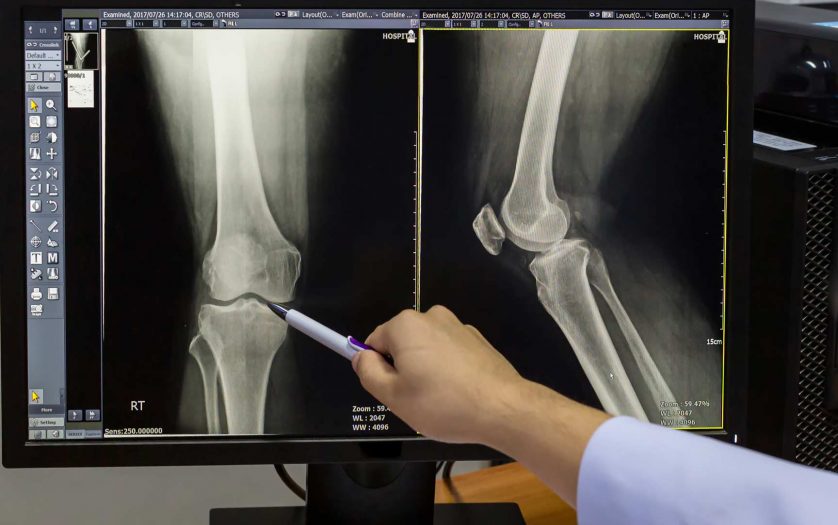
Osteoarthritis is the leading cause of pain and disability worldwide. There is no cure, only pain relief. Patients’ joints become inflamed, and they feel creaky and stiff in the morning.
Some people use painkillers and exercise as treatment. Others have to resort to surgery and prostheses.
About 300 million people worldwide currently suffer from osteoarthritis.
Now researchers have wrapped up the largest study ever conducted in the entire world. They examined samples from more than 800 000 people. The vast majority were from Europe, but a good number were from Asia. Just under 200 000 of those surveyed had osteoarthritis.
The Norwegian contribution to the study includes both the HUNT surveys and the Norwegian Osteoarthritis Registry.
Fully 155 researchers from nine different countries collaborated on the study. Their findings yielded many answers.
Several of the findings were shared across all the variants of osteoarthritis studied.
“We discovered which genes are involved in people with osteoarthritis. This can in turn be used to develop medicines that can slow down the disease at an early stage,” says Anne Heidi Skogholt.
Skogholt is a researcher at NTNU’s K.G. Jebsen Center for Genetic Epidemiology and a key figure in the international collaboration.
The researchers also found special risk factors that exist for women and for weight-bearing joints like our knees.
There’s one more piece of good news.
Some medicines targeting the relevant genes are already in use, but for other diseases.
“This means that the path to medicines that can slow down osteoarthritis is shorter than it would have been otherwise. This work will help facilitate clinical studies,” says Skogholt.
The genes in question are essential for the development of bone and cartilage tissue.
“Now we need to go further and also include samples from African countries,” says Skogholt.
She says that previous findings show a link between obesity and osteoarthritis, as well as diabetes and osteoarthritis.
“Now, for the first time, we’ve also identified genes that show a correlation with osteoarthritis and pain,” says Skogholt.
The pain from osteoarthritis can be crippling and in itself a cause of disability.
“We are really happy to have made great strides in the right direction for this patient group,” says Skogholt.