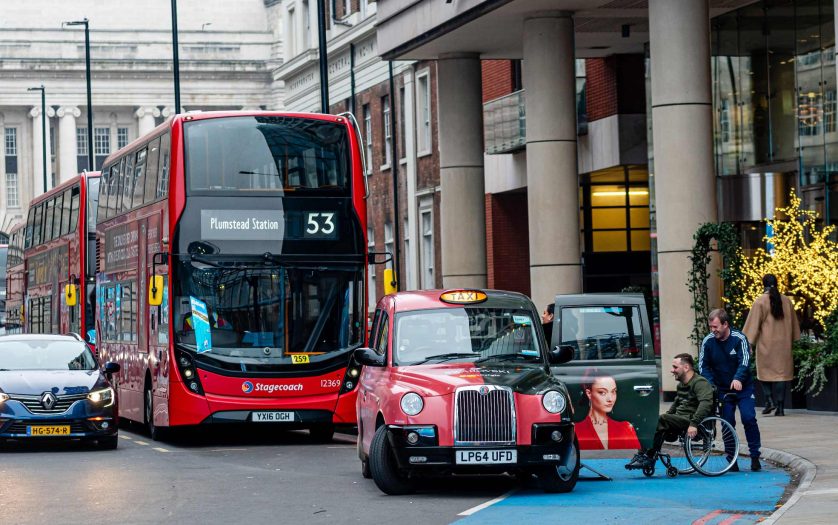
Passengers with disabilities will have better access to public transport and a bigger say in how they travel, under a new strategy that will boost inclusivity across the entire network.
The Department for Transport (DfT) is today unveiling a range of initiatives to remove barriers and improve confidence for disabled people as they return to trains, buses and taxis after the pandemic.
An audit of all UK train stations, originally pledged in the Williams-Shapps Plan for Rail, is now underway – helping to identify improvements and highlighting existing areas of excellence. The findings will form a new public database so people can better plan their journeys and, along with input from disabled passengers, will shape future investment in accessible rail travel.
DfT will also work with Network Rail to improve safety with a new programme to install all station platforms with tactile paving. This comes on top of work to develop a Passenger Assist App to simplify communication with rail staff and encourage better customer service.
The government will bring forward new regulations to force bus companies to provide audible and visual announcements onboard services. To help smaller companies achieve this, government grants will be boosted to £3.5 million. New research into the designs of bus stops and stations will ensure they are accessible for all.
DfT will also support new legislation for taxis and private hire vehicles, protecting disabled passengers from being overcharged and to better ensure they get the right help from drivers.
“Disabled passengers should be empowered to use all forms of transport with the same confidence as everyone else – whether by taxi, train, bus or ferry, said Accessibility Minister Chris Heaton-Harris
“There is also a boost to seaports, with new £1 million funding to improve access at ports to the Isle of Wight and Isles of Scilly.
“In addition, DfT will work with consumer groups to design more accessible chargepoints for electric vehicles, as the industry steers away from fuel-burning cars.
“And for longer journeys, new £450,000 funding will help deliver more accessible toilets, through the Changing Places programme, on top of the £2.2 million already invested, to ensure most motorway services have the right facilities for the quarter of a million people who cannot use standard accessible ones.
The measures are part of the UK government’s National Disability Strategy – the most ambitious endeavour to remove barriers to disabled people’s everyday lives. It makes solid commitments and sets out immediate practical steps to create a society that works for everyone. These include building more supported housing, providing £300 million to improve accessibility in schools and improving access to cultural venues.