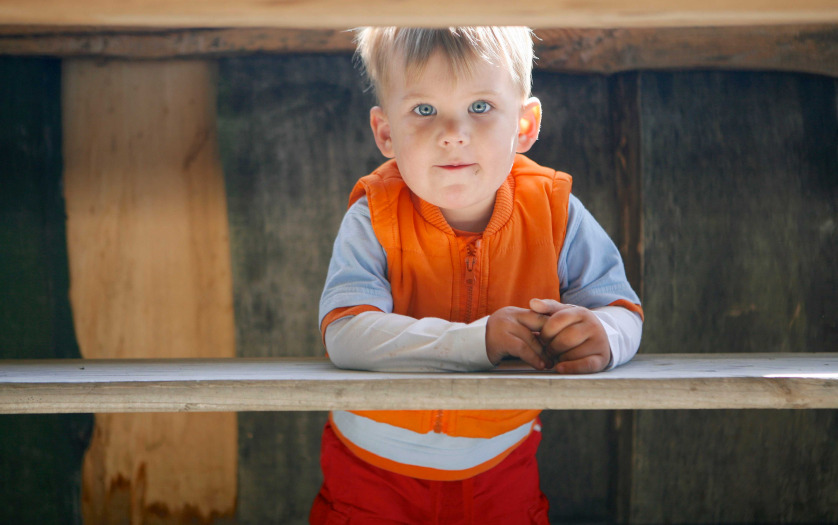
Almost one in every 20 children, aged 4-15, is diagnosed as being autistic in North Ireland.
According to figures posted by the Department of Health, upwards of 13,000 children, or about 4.5% of the population of schoolchildren, have a diagnosis of autism.
The percentage of children diagnosed with autism or Asperger’s syndrome has increased from 1.2% in 2009 to 4.5% in 2020/2021.
Boys were three times more likely to have a diagnosis of autism than girls.
Most students with autism receive Special Educational Needs (SEN), however, about 14% did not receive any SEN.
According to the Department of Health’s definition, autism is a lifelong disability which affects how a person communicates with and relates to other people and how they make sense of the world.
Known as a “spectrum condition,” autism affects people in many different ways and to varying levels.
Asperger’s syndrome is very similar to autism, but children diagnosed with it can have some different language and learning disabilities.
The growing number of diagnosed autism cases may be due to increased awareness and the effect of the Autism Act North Ireland, which was passed in 2011.
“The need to develop and improve health and social care services for people of all ages who are affected by autism (including Asperger’s syndrome) has been apparent for some time,” the Department of Health report said.
It is important to note that the number of diagnoses might actually be higher than reported as autism assessments were reduced or temporarily suspended at the beginning of the COVID-19 pandemic.
Most noticeably, autism cases among children are higher in the most underprivileged areas of Northern Ireland, with the highest rates in the Belfast Trust area.