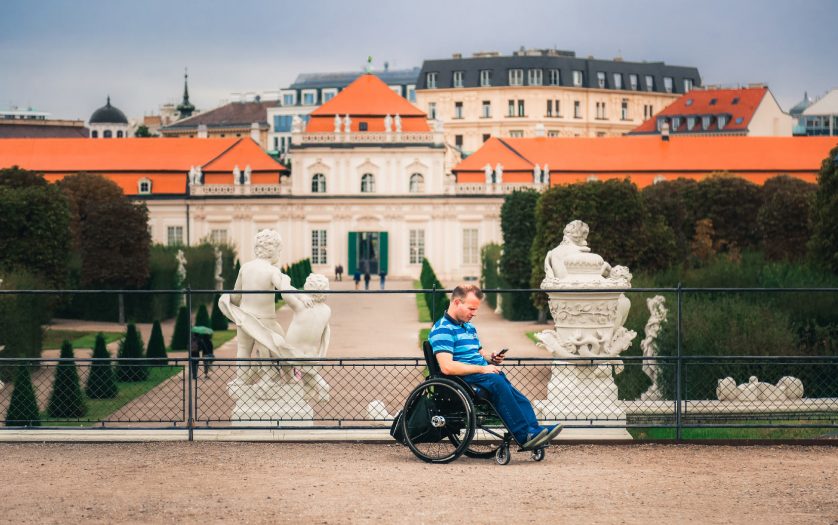
The World Travel & Tourism Council (WTTC) has launched new high-level guidelines for inclusion and accessibility in the sector, which focus on the experience of travellers with disabilities and will help make the travel and tourism industry a more inclusive space.
These innovative and important guidelines were compiled on the basis of insights and frameworks developed by private sector leaders in travel and tourism, travel and disability experts, and research from intergovernmental organisations.
Four-pillar guidelines follow a similar structure to the High-Level Inclusion & Diversity Guidelines and Mental Health Guidelines WTTC released over the past six months.
The four key pillars include:
- Developing an inclusive and accessible system
- Creating safe spaces
- Designing an engaging and relevant system
- Exemplifying inclusion and accessibility
Highlights from these important guidelines include providing training to staff on disability awareness and how to support travellers with disabilities, as well as collaborating with other businesses in areas where there are gaps in accessibility knowledge, experience, and services.
The report also emphasises the importance of fostering a respectful environment at all locations and for all activities, specifically reminding staff that their attitude towards people with disabilities plays an integral role in making that customer feel welcome and included.
Ir underscores the need to develop accessibility features that are clear, overt, and which such travellers do not require special assistance from staff to use.
Furthermore, the guidelines make clear that businesses should regularly and proactively engage travellers with disabilities in the creation of accessible products and services so that these meet their needs appropriately. They should also include accessibility features from the booking process, enabling travellers with disabilities to engage with the business before booking their travel service or product.
Staff should also be empowered to address customer concerns as they occur or to engage other staff members if and where necessary, and inclusive marketing should be developed to dignify representations of all people and authentically represent them.
“WTTC is proud to release these important high-level guidelines, which will help travel and tourism businesses of all kinds, foster more accessible and inclusive environments.” said WTTC president and CEO Gloria Guevara
“The travel and tourism sector is one of the most diverse in the world. As the report shows and according to the World Health Organization, almost everyone will temporarily or permanently experience disability at some point in their life, and about 15% of the global population live with some form of disability. It is therefore imperative that we are inclusive.”
“Furthermore, throughout its very nature, the sector promotes cultural exchange and understanding, therefore it makes perfect sense that we reflect these values within the sector as well. We look forward to seeing these guidelines make real change within the workforce.”
To read the Inclusive & Accessible Travel Guidelines in full, visit https://wttc.org