University of Exeter researchers have been awarded £239,000 to explore suicidal thoughts, homicidal thoughts, and self-harm in parent carers.
More than 800,000 children in the UK have disabilities or long-term illnesses, and the vast majority are cared for by their parents. Research in other carers has shown high rates of suicidal thinking, as well as evidence of suicide attempts, self-harm, and deaths by homicide-suicide, but there have only been a handful of studies on parent carers internationally and none in the UK.
The award, from the National Institute for Health Research (NIHR) Research for Social Care (RfSC) scheme, will allow researchers to identify how many parent carers have thought about or attempted suicide, and how many have self-harmed. The funding will also allow the team to identify the factors that contribute to or protect against these experiences, examine the everyday experiences of parent carers who have thought about suicide or homicide or self-harmed, and seek carers’ suggestions for research, practice, and policy. The research will provide a powerful foundation for the development of better strategies for supporting carers in crisis.
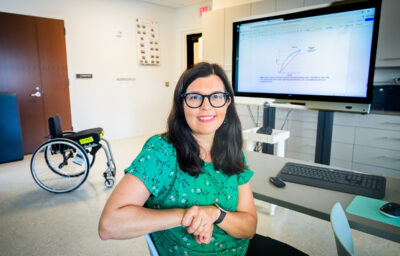
“Caring for a child with a disability or long-term illness can be extremely rewarding, but it also takes a significant toll. Suicide, homicide, and self-harm have been largely ignored in the research on family care and, as a result, these thoughts and experiences are often misunderstood or overlooked by health and social care professionals. Understanding parent carers’ experiences is the first step towards better support for carers and those they care for.” said Dr Siobhan O’Dwyer of the University of Exeter Medical School
Lisa Reakes, a parent carer for her 15-year-old daughter with an acquired brain injury, is a co-investigator on the research. She said: “I’ve been involved since the beginning, helping to shape the research and make sure it’s really addressing the needs and experiences of carers. The everyday life of a parent carer can be very challenging on multiple levels, a contributing factor to why so many carers have thought about suicide or self-harmed in one way or another. There are very few places where we can talk safely about these experiences. I hope this research will change that.”
The research will commence in April 2021. Carers who need urgent support should contact the Samaritans on 116 123.