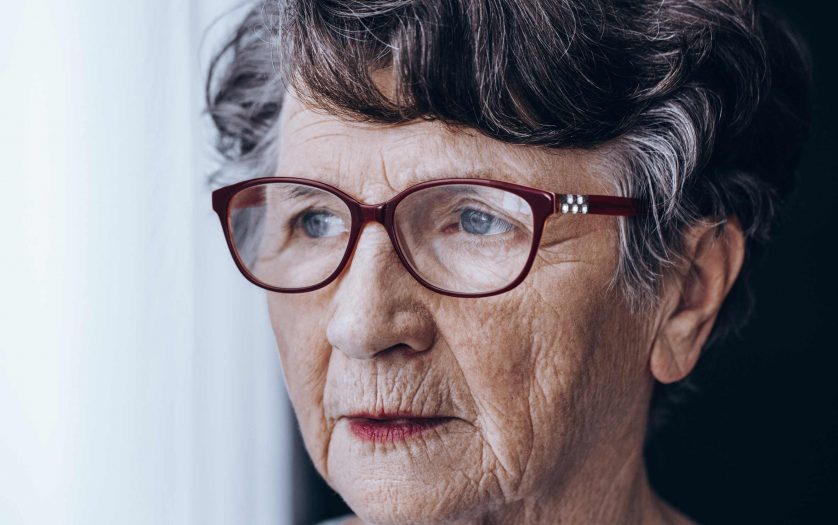
Different specialists in disability and older people have warned that the consequences of the COVID-19 pandemic have aggravated the unwanted loneliness of older people with disabilities.
This has been highlighted this Friday during the second meeting of a cycle of six webinars organized by the Spanish Committee of Representatives of People with Disabilities (CERMI) and the Royal Board on Disability.
“It not only generates social isolation, but also a public health problem,” the representative of the Pilares Foundation, Sacramento Pinazo, has warned. In addition, she stressed that “there are more possibilities of feeling alone if you do not have company, but this does not necessarily go hand in hand”, because “you can feel alone when surrounded by people.” In this sense, she has highlighted that many situations of loneliness occur in residential centers, because there are triggering circumstances such as great support needs.
Thus, she has explained that 80% of the people who live in residences are over 80 years old, that 72% are women and that more than half need help for activities of daily living, including social interaction, which ss she has put it, it helps to “precipitate” the feeling of loneliness.
Precisely, in relation to residences, the representative of Down Spain, Agustín Matía, has expressed his concern about the lack of a “real” social health system, which has been evidenced during the pandemic due to the lack of resources; and he has criticized the “territorial inequality” between autonomous communities.