Top of page
Technology

Care robots could revolutionise UK care system and improve mental health

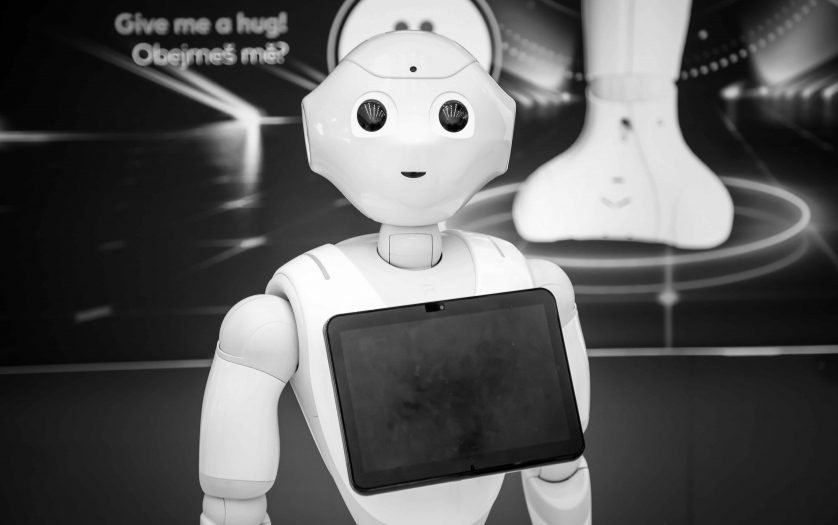
Pepper Robot

Care Robots could be used in the UK care system after a study found they can improve mental health and have the potential to reduce loneliness in vulnerable older people.

The wheeled robots, called “Pepper” was tested in care homes and researchers found adults who used the robot for up to 18 hours across two weeks, saw a notable improvement in their mental health.

After two weeks, there was also a small but positive impact on people’s feelings of loneliness, the study by the University of Bedfordshire, Middlesex University, and Advinia Health Care.

Pepper can engage in and keep up a conversation and learn about people’s habits and tastes.

Researchers are now working to roll out the technology in care homes in the UK.

The study’s lead author, Dr Chris Papadopoulos from the University of Bedfordshire, said the research was “ground-breaking”.

“The results show that using Caresse’s artificial intelligence in robots such as Pepper has real potential benefit to a world that is witnessing more people living longer with fewer people to look after them,” said Dr Chris Papadopoulos from the University of Bedfordshire.

“Poor mental health and loneliness are significant health concerns, and we have demonstrated that robots can help alleviate these.”

According to the charity Age UK, there are 1.4 million lonely older people in England and many more across the rest of the UK.


You might also like

pregnant woman pregnant woman

New care guidelines for pregnant women with IBD

This physician-scientist’s research changed everything for women. Here’s what she…

Patients who have suffered a stroke perform recovery activities with the help of nurses in the recovery program at Hospital Patients who have suffered a stroke perform recovery activities with the help of nurses in the recovery program at Hospital

Aussies urged to not hang up on vital stroke support service

Aussies are being urged to dig deep to ensure the…

The image of the human brain The image of the human brain

Dementia now Australia’s leading cause of death, ABS reports

The latest data from the Australian Bureau of Statistics (ABS)…

A young girl sits in a park, working on her laptop, surrounded by nature. Her colorful outfit and appearance reflect her energy and optimism. With a prosthetic leg, she proves that disability is no barrier to connecting with nature and embracing digitalization. This photo captures the harmony of technology, youth, and the outdoors—a powerful image of resilience and progress. A young girl sits in a park, working on her laptop, surrounded by nature. Her colorful outfit and appearance reflect her energy and optimism. With a prosthetic leg, she proves that disability is no barrier to connecting with nature and embracing digitalization. This photo captures the harmony of technology, youth, and the outdoors—a powerful image of resilience and progress.

Azerbaijan’s digital shift in disability assessments and payments

For years, people with disabilities in Azerbaijan carried a double…