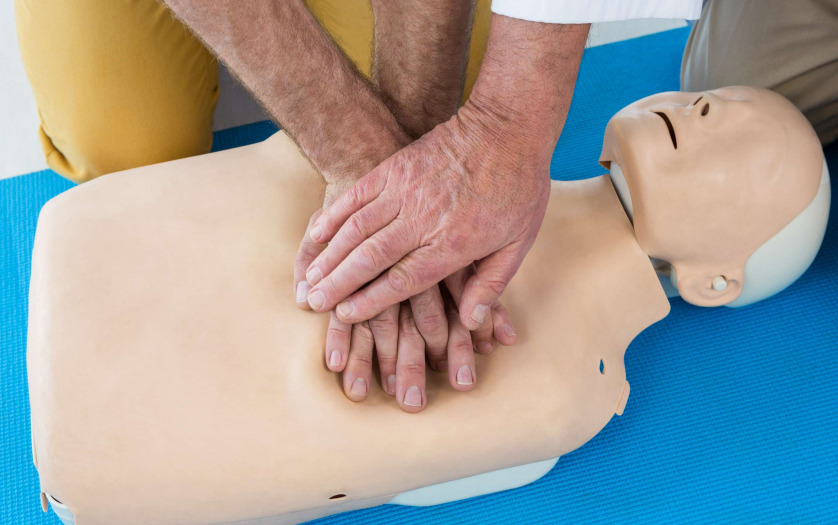
A new program has been developed by the American Heart Association, focused on heart and brain health for all, in collaboration with the National Organization of Nurses with Disabilities (NOND) to meet the needs of individuals with physical disabilities by focusing on their abilities to direct others to perform cardiopulmonary resuscitation (CPR).
The Advisor: Basic Life Support (BLS) program was developed for candidates who pass the cognitive portion of the HeartCode BLS Provider Course but cannot independently perform the physical skills of CPR.
By successfully advising others how to perform CPR and use an automated external defibrillator (AED), people with physical disabilities can receive an Advisor: BLS card. While some individuals with disabilities can perform CPR skills to the required standards, others who are unable to perform the motor skills of CPR have the ability to take the Advisor: BLS program which permits verbal recognition of the required knowledge and skills. This program increases the population of individuals trained to respond to emergencies, ensuring CPR is performed until emergency medical services arrive.
“This program was created because we saw the need for those with disabilities to have the opportunity to participate in saving lives,” said Comilla Sasson, MD, PhD, FAHA, FACEP, and vice president for emergency cardiovascular care science and innovation at the American Heart Association. “On the 30 th anniversary of the Americans with Disabilities Act, we recognize the abilities of all to be trained in CPR and AED use and to ultimately save more lives.”
Advisor: BLS cards are available exclusively to authorized American Heart Association Training Centers for issuance in accordance with Association’s policy. Students must first take HeartCode BLS online and present a course completion certificate before the skills session.
“Americans are living longer with more comorbidities, so now more than ever individuals need to learn CPR,” said Bridgette Jenkins, DNP, MSN, RN, active American Heart Association CPR Instructor and NOND board member. “We were thrilled to collaborate with the American Heart Association to help problem-solve this issue for people with disabilities at a time when it’s most critical to have these lifesaving skills.”
For more information, go to https://cpr.heart.org