Disability Support Workers are risking illness with minimal training during the COVID-19 pandemic, a new survey has found.
Of those who took time off due to illness, only 47 per cent were paid, reflecting the workforce’s casual nature. Thirty-four per cent faced financial difficulties like not being able to pay an electricity, gas or phone bill on time or being unable to pay their rent.
The researchers conducted the online survey of 357 Australian Disability Support Workers between late May and June 2020 about their experiences working during the pandemic.
Respondents ranged from 18-75 and 83 per cent were women. Like health and aged-care workers, DSWs can’t physically distance while working. They worked with an average six people with disability in the week before the survey. It also found:
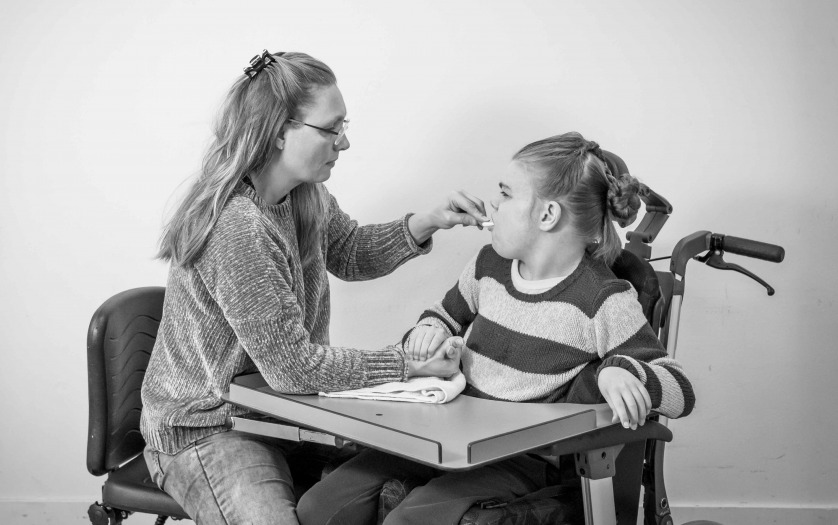
- 53 per cent provided support with tasks that require close personal contact like feeding and brushing teeth
- 23 per cent had not received any COVID-19 infection control training
- Of the 77 per cent who did receive training, 48 per cent would like more
- 64 per cent had received or purchased some form of personal protection equipment (PPE). More than half (54 per cent) received gloves and 37 per cent masks from their employer. Notably, 38 per cent purchased their own masks
- 23 per cent had been tested for COVID-19 infection and 11 per cent wanted to be tested
- 14 per cent worked for more than one provider and six per cent worked in both the aged-care and disability sector
- 30 per cent worked in two or more settings, and 14 per cent worked in three or more settings
- 27 per cent cancelled shifts because they were worried about COVID-19 infection and 35 per cent had shifts cancelled by clients or employers due to fear of COVID-19
- 16 per cent reported high psychological distress levels consistent with serious probable mental illness; 22 per cent of workers experiencing financial stress had probable mental illness, compared to 14 per cent among those who did not report financial problems.
The survey reflects the situation for workers when PPE was just being made available to workers after a marked shortage in March and April. With cases now rising in Victoria, on 17 July PPE became compulsory for DSWs in hot spot areas.
“This presents very real difficulties for workers with little or no training who now have to implement meticulous infection control procedures and use full PPE,” Professor Kavanagh said.
“My work has completely changed since COVID. The day service I work in has closed. I am now working across multiple group homes. Every day we get new advice on what to do and that is stressful. I am worried about protecting the people I work with as many have health problems and if they got COVID they would really be at risk of dying from it.” said Disability Support Worker Kristy.
“In one home I worked residents were isolated after testing and many workers didn’t want to work because they were worried about their own or a family members health. Imagine what could happen if one of the residents had tested positive. If regular workers aren’t working, then that will be really difficult for many people with disability who are already stressed by COVID and the restrictions on what they do.”
“I feel like the government has forgotten about people with disability and support workers. All the attention is on aged-care but disability services have the same risks, even worse perhaps because so many of the people have other health problems.”