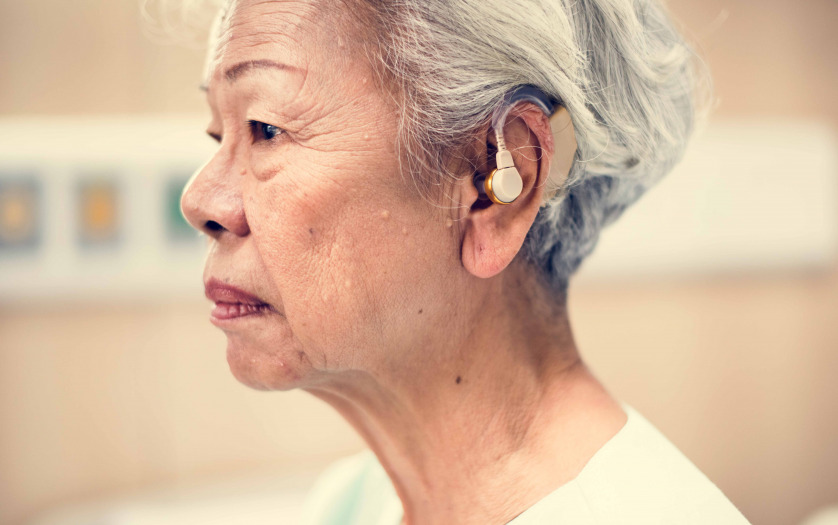
Wearing hearing aids may delay cognitive decline in older adults and improve brain function, according to new research.
Cognitive decline is associated with hearing disability, which affects about 32 per cent of people aged 55 years, and more than 70 per cent of people aged over 70 years. Hearing disability has been identified as a modifiable risk factor for dementia.
University of Melbourne researchers have tested the use of hearing aids in almost 100 adults aged 62-82 years with hearing loss.
Participants were assessed before and 18 months after having hearing aids fitted on their hearing, cognitive function, speech perception, quality of life, physical activity, loneliness, mood and medical health.
After 18 months of hearing aid use, researchers found speech perception, self-reported listening disability and quality of life had significantly improved for participants.
Most notably, 97.3 per cent of participants in this study showed either clinically significant improvement or stability in executive function – their mental ability to plan, organise information and initiate tasks.
Women, in particular, showed significant improvements in working memory – used for reasoning and decision-making – as well as most other cognitive functions assessed.
The study also found more frequent use of hearing aids was associated with greater improvements in cognitive function, and women were much more diligent at wearing the devices than men.
University of Melbourne Associate Professor and Chief Investigator of the study, Julia Sarant, said improvement in cognitive function is something that is not usually seen in older adults.