Top of page
Health

Caregiving factors may affect hospitalization risk among older adults with disabilities

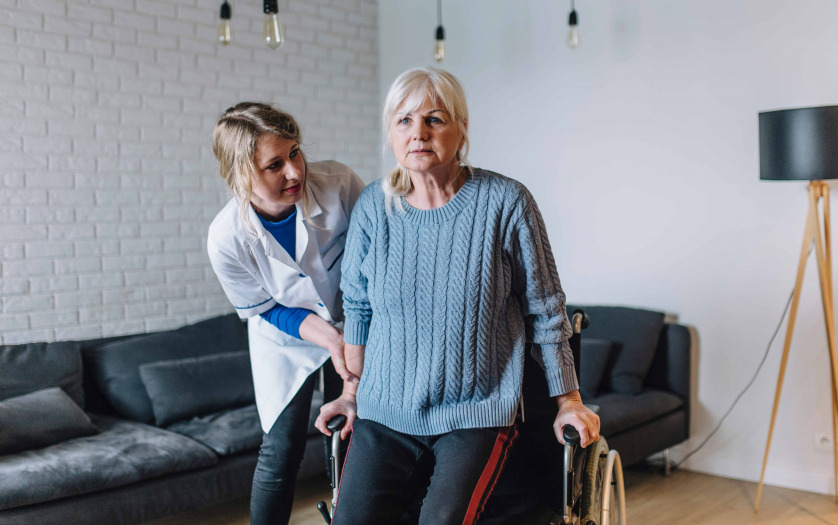
Woman in old age home with wheelchair

Few studies have investigated the potential impact of caregivers and caregiver factors on older adults’ likelihood of being hospitalized. A recent study published in the Journal of the American Geriatrics Society has now provided some insights.

The study included 2,589 community-living Medicare fee-for-service beneficiaries aged 65 years and older who were disabled and were receiving help from family members or other unpaid caregivers. Thirty-eight percent of the older adults were hospitalized within one year after being interviewed.

Older adults had an increased risk of hospitalization if they had a primary caregiver who helped with healthcare tasks, reported physical strain, and provided more than 40 hours of care weekly. Having a caregiver who had helped for at least 4 years was associated with a lower risk of hospitalization. These caregiving factors were associated with hospitalization risk regardless of whether older adults had dementia.

“This study brings attention to key individuals often overlooked when thinking about how to prevent hospitalization in vulnerable groups of older adults: caregivers,” said lead author Halima Amjad, MD, MPH, of Johns Hopkins University. “Policies or interventions that target aspects of caregiving we identified in this study should be explored as strategies to reduce risk of hospitalization in older adults living with disability.”

You might also like

nurse with woman in wheelchair at hospital nurse with woman in wheelchair at hospital

Advocacy video amplifies call for disability-inclusive health systems

As part of strengthened communication efforts to ensure evaluations are…

The Build-A-Brush includes modular components that adapt as children grow, allowing kids to select the bits that appeal to them in the moment while ergonomic forms and visual cues build self-assurance, refine cognitive skills, and encourage consistency. The Build-A-Brush includes modular components that adapt as children grow, allowing kids to select the bits that appeal to them in the moment while ergonomic forms and visual cues build self-assurance, refine cognitive skills, and encourage consistency.

Build-A-Brush: Making oral health fun and easy for children with cognitive disabilities

For many children with cognitive disabilities, daily routines such as…

pregnant woman pregnant woman

New care guidelines for pregnant women with IBD

This physician-scientist’s research changed everything for women. Here’s what she…

Patients who have suffered a stroke perform recovery activities with the help of nurses in the recovery program at Hospital Patients who have suffered a stroke perform recovery activities with the help of nurses in the recovery program at Hospital

Aussies urged to not hang up on vital stroke support service

Aussies are being urged to dig deep to ensure the…